The Empty Table Is a Classroom: Why Solo Pool Deserves a Better Reputation
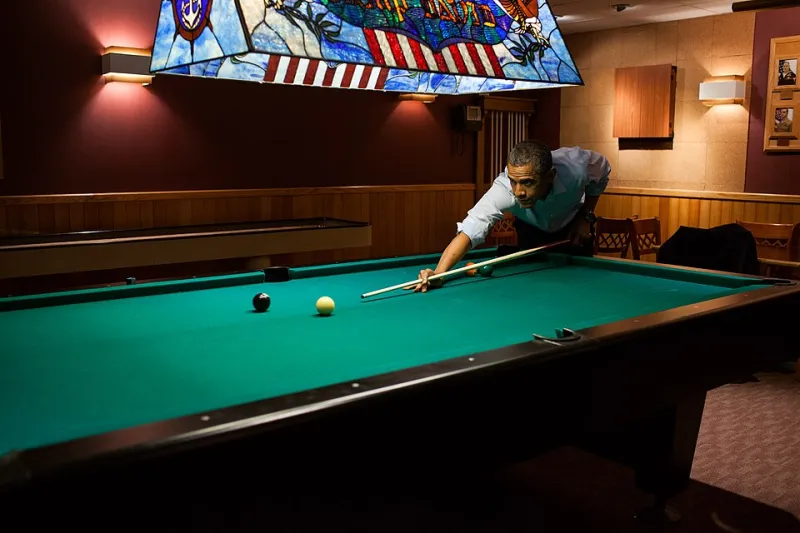
Photo: Pete Souza, Public domain, via Wikimedia Commons
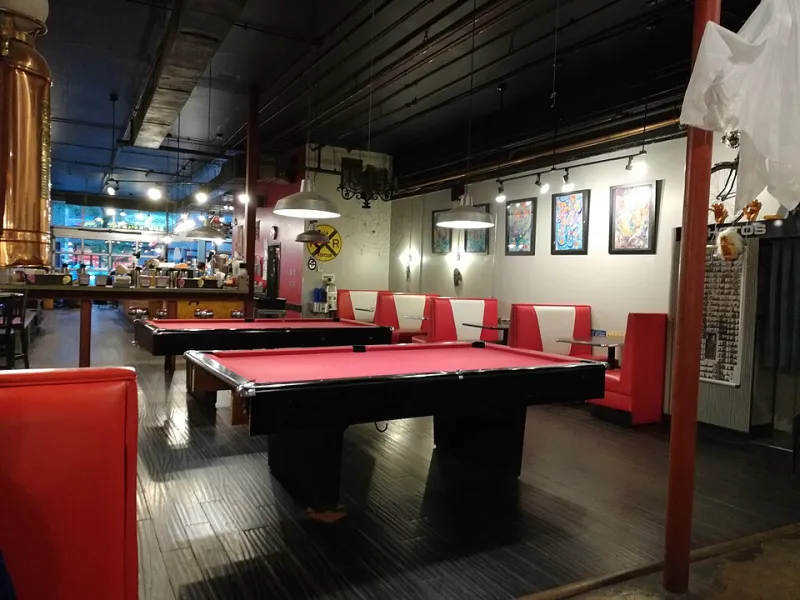
There is a certain look you get when you rent a table alone. It is not quite pity, but it is close. A bartender slides you the rack and asks if you are waiting on somebody. A regular glances over and assumes your league team bailed. The empty table becomes a story before you even break.
That story needs an update. Solo pool is not automatically sad. It is not a consolation prize for people with no friends. It is a legitimate way to practice, and for a lot of casual players, it is the fastest route from spraying balls around to actually understanding what they are doing.
The Stigma Is Weird
We do not assume a person lifting weights alone is lonely. We do not assume a runner on an empty track is hiding from society. But pool is so wrapped up in its social scene that playing alone can feel like breaking an unwritten rule. The pool hall is supposed to be a room full of noise, banter, and side bets. An empty table can seem like a missing piece.
That assumption misses the point. League night teaches you how to play under social pressure. Solo time teaches you how to play without it. Both are useful. In fact, the second one is harder to schedule, because it requires you to be honest with yourself. There is no opponent to blame, no teammate to rescue you, and no audience to laugh off a bad miss. It is just you, the cue, and whatever habits you brought through the door.
What Solo Time Actually Fixes
The biggest mistake casual players make in solo sessions is treating them like a normal game with imaginary opponents. They break, shoot at whatever looks interesting, and call it practice. That can be fun, but it is not efficient. A focused solo session gives you something league night rarely does: repetition without consequence.
You can hit the same straight-in shot twenty times and adjust your aim by a fraction. You can place the cue ball in the same spot and test three different speeds. You can practice the safety you always avoid because you are afraid of looking silly in front of your team. You can work on your break without worrying about whether the table next to you is waiting.
Solo time is also a confidence builder. A lot of players know the right shot intellectually but have never hit it enough times to trust it under pressure. Repetition builds that trust. When the same shot shows up in a close match, you are not hoping. You are remembering.
A Simple Solo Session That Does Not Waste Table Time
You do not need a three-hour marathon. A focused 45 to 60 minutes is plenty if you give it a shape. Try this framework the next time you have a table to yourself.
Start with five minutes of table and cue checks. Make sure the cue tip is in good shape, chalk is available, and the table is reasonably clean. Hit a few soft center-ball shots to feel the cloth. This is not practice yet. It is calibration.
Spend ten minutes on stroke and alignment. Set up a straight-in shot from a comfortable distance. Hit it with center ball, then follow, then draw. Pay attention to whether the cue ball actually goes where you intended. Do not worry about making every ball. Worry about repeating the same motion.
Next comes fifteen minutes of a specific drill. Pick one weakness, not five. Maybe it is long straight shots. Maybe it is cue ball control off the rail. Maybe it is pocketing a ball while sending the cue ball to a safe zone. Set up the same shot or pattern and repeat it. If you miss, reset and try again. The goal is not a high score. The goal is a cleaner pattern.
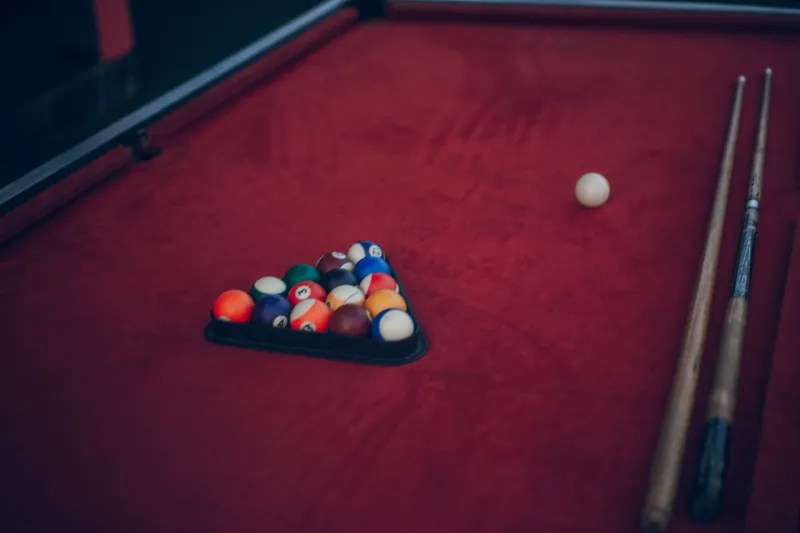
Then spend ten minutes playing a mini-game against yourself. Rack five balls and try to run them in order. If you miss, start over. This adds a little pressure without the social noise of a real match. It also teaches you to plan the next shot instead of just firing at the first available ball.
Finish with five minutes of review. What shot felt worst? What did you learn about your speed? What will you work on next time? A short note in your phone is enough. The point is to leave with one clear takeaway instead of a vague memory of hitting balls for an hour.
Make It Competitive Without an Opponent
Solo pool can get stale if there is no target. Give yourself simple benchmarks. How many straight shots out of ten can you make from a set distance? How many times can you pocket a ball and leave the cue ball inside a small square of the table? How many racks can you run without a scratch? These are not official stats. They are just ways to turn a loose session into something you can improve.
You can also use your phone to record a few shots. Watching yourself from a different angle can reveal things you cannot feel in the moment. Maybe your backswing is shorter than you thought. Maybe you are standing up before the cue tip reaches the ball. Solo time gives you the patience to notice.
The Table Does Not Judge
League night is great. The banter, the pressure, and the shared misery of a bad break are part of why people love pool. But solo pool has its own value. It is a quiet room where you can hear your own habits. It is a chance to work on the shots you avoid. It is a way to build confidence without waiting for someone else to believe in you.
So the next time you rent a table alone, do not apologize for it. You are not waiting on a crew. You are using the empty table for exactly what it is: a classroom with pockets.