Everybody's Filming Now: How Table Cameras Are Changing the Pool Room
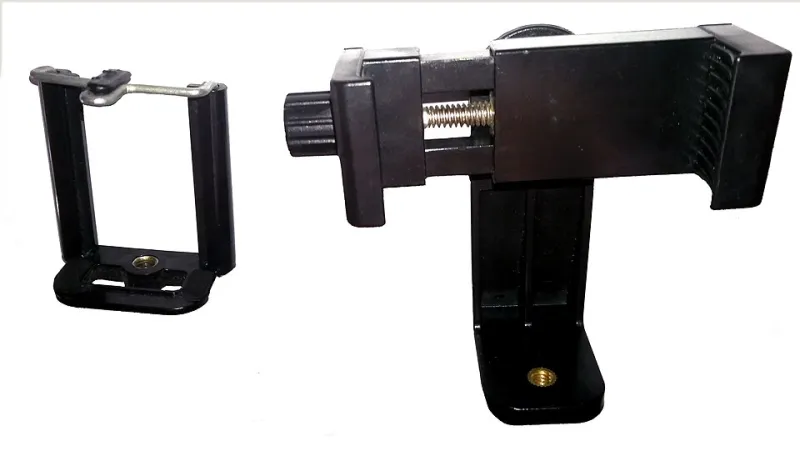
Photo: Draco flavus, CC BY-SA 3.0, via Wikimedia Commons
Walk into a busy pool room in 2026 and count the tripods. You'll probably find at least one clamped to a rail, a phone angled down the length of the table, recording a run that nobody asked to see. Maybe it's a league player building a channel. Maybe it's a guy trying to prove he really did run the rack. Either way, the camera has become part of the furniture.
That shift happened fast, and the etiquette around it is still being written — mostly by argument, in the moment, table by table. Here's what's actually changing.
The Tripod Moved In
Five years ago, filming your run meant balancing a phone on a napkin holder and hoping. Now there are cheap clamps, flexible arms, and tiny wireless cams that mount above a table with almost no setup. Combine that with short-form video platforms that reward a clean 40-second run, and you get a predictable result: people film constantly.
The rooms have adapted in their own ways. Some have a house camera on the main table. Some ban tripods outright during league nights. Most, honestly, have no written policy at all — which means the rules are being negotiated shot by shot.
Consent Is the Entire Argument
Here's the thing that gets missed in the excitement: a pool table isn't a private space. If you're shooting on a table next to a stranger, they're in the frame whether you meant it or not.
Most people don't mind. Some absolutely do — and they're not being difficult. A person might be skipping work, or meeting someone they'd rather not broadcast, or just not want their bad night posted to a channel with a thousand subscribers. The considerate move is simple: if someone is going to end up in your clip, tell them before you start rolling. If they ask you to cut them out, cut them out.
A one-sentence heads-up — "Hey, I'm filming this rack, you're in the background, that okay?" — prevents almost every conflict.
The Clip-Brain Problem
Something subtler happens when players know they're recording. Shots get flashier. Safeties get abandoned, because a safety doesn't make a good thumbnail. Players start going for the low-percentage double when a simple two-way shot would have won the rack.
Call it clip-brain, and it's the same dynamic that hit other competitive hobbies once everything became shareable. The recording changes the incentive: you're no longer playing to win the rack, you're playing to produce ten seconds someone will watch twice.
None of that is fatal. Plenty of players film and still play smart. But if your game has gotten noticeably looser since you started recording, the camera might be the reason.
Replay as Referee
On the upside, cameras have settled a lot of arguments. Did the cue ball touch the 4? Did that ball graze the rail? Did the guy really call the pocket?
In casual play, most disputes used to end with two people saying "I'm pretty sure" until someone gave up. Now there's footage, and footage doesn't care who's been playing in that room for fifteen years. Some regulars love it. A few find it deeply annoying, because half the fun of a pool hall argument is the arguing.
House leagues have started using it too — not for officiating, but for review. A blown call gets rewatched the next day, everyone agrees it was a blown call, and life goes on.
Where the House Rules Are Heading in 2026
Expect more rooms to formalize what's been informal. The likely shape of it:
- Filming allowed by default, with an opt-out. Anyone in frame can ask to be excluded, no explanation required.
- No filming of minors without a parent present. Non-negotiable, and increasingly posted.
- No filming during league play without the opposing player's okay. Some leagues now write this into the sign-up sheet.
- Tripods off the walkways. Practical safety more than etiquette — nobody wants to trip over your rig carrying two beers.
- House cameras, house rules. If the room already runs a ceiling cam, ask where the footage goes and who can see it.
What Regulars Should Expect
The awkward phase isn't over. You'll still walk into rooms where someone's filming a rack and nobody said a word, and you'll still hear somebody complain about it. But the direction of travel is clear: cameras are staying, and the etiquette around them will settle into habits the same way "chalk belongs on the rail" did.
The best thing you can do is be the person who handles it well. Ask before you film. Accept a no without a lecture. Offer to send someone their own clip if they made a nice shot — that gesture does more for pool-room goodwill than any posted policy ever will.
And if you're the one being filmed, remember: you're allowed to say no. It's your night out too.