So You Want to Run Your Own Pool League? Here's How to Actually Pull It Off
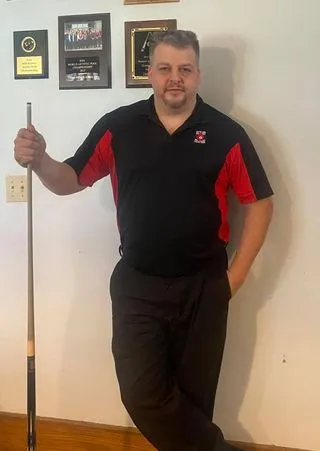
Photo: Unknown, CC BY-SA 4.0, via Wikimedia Commons
Somewhere between your third game of 8-ball on a Tuesday night and a conversation that starts with "we should really do this more organized," the idea hits you: I could run a league here. It sounds simple. Get some people together, set a night, shoot some pool.
Then reality shows up. Who makes the schedule? What rules are you playing? What happens when someone no-shows? How do you keep people coming back after the novelty wears off?
The good news: this has been figured out. Grassroots pool leagues are thriving all over the US, built by regular players who just decided to make something happen. We talked to several organizers — from bar-back rooms in Columbus to bowling alley billiard sections in Phoenix — and pulled together the real playbook for making it work.
Start With the Venue: Everything Flows From Here
Your venue isn't just a place to play — it's your partner. A bar or rec center that's genuinely invested in your league will promote it, keep the tables maintained, and give you a home. One that's indifferent will nickel-and-dime you and double-book your night.
When approaching a venue, come prepared. Know roughly how many players you're expecting and what night you want. Bar owners especially love the math: a pool league means 12–20 regulars showing up every week, buying drinks and food for two to three hours. That's real money for a slow Tuesday or Wednesday.
"I walked in with a one-page proposal showing estimated weekly spend per player and a rough outline of the format," says Derek Simmons, who launched the Eastside 8-Ball Circuit in Columbus, Ohio three years ago. "The bar manager signed off in about 20 minutes. They were getting guaranteed foot traffic on a dead night. I was getting free table time. It was easy."
Negotiate for table time, not just permission. Many venues will offer free or discounted table access in exchange for the guaranteed business your league brings. Get this in writing — even a simple email confirmation works.
Pick Your Format and Stick With It
This is where a lot of first-time organizers overthink it. You don't need a complex system. You need a consistent one.
For most casual leagues, 8-ball is the game. It's what most people know, it plays fast, and it limits confusion. If your player base is more experienced, 9-ball or 10-ball adds a strategic layer that keeps things interesting. Avoid mixing formats in the same league until you've got at least a full season under your belt.
Handicap systems are worth considering early. Organizations like the APA (American Poolplayers Association) use skill level ratings to even out competition between beginners and veterans. Even a simple self-reported system — beginner, intermediate, advanced — can help you create balanced matchups that keep newer players engaged instead of getting blown out every week.
For scoring, keep it simple: win/loss records with a tiebreaker based on total games won. You can graduate to more complex point systems once your league has a culture and people understand the stakes.
Build the Schedule Before You Announce Anything
Nothing kills momentum like a launch night that devolves into confusion about who plays who. Build out at least an eight-week schedule before your first session. You don't need fancy software — a Google Sheet shared with all participants works fine.
For a six-team league, a round-robin format over 10 weeks gives everyone a full run of competition before playoffs. For larger leagues (10+ teams), split into divisions and run intra-division play before a crossover playoff round.
Carla Reyes launched the Desert Felt League in the Phoenix metro area four years ago and now runs two separate leagues with over 80 active players. Her biggest early lesson: over-communicate the schedule.
"I emailed it, posted it in our Facebook group, and taped a paper copy to the wall at the bar," she says. "People still showed up on the wrong night for the first two weeks. After that, it clicked. Now they remind me."
Player Recruitment: Cast a Wide Net Early
Your first season will set the tone. Aim for a minimum of six teams (two players per team for doubles, or individual play for singles formats) before you launch. Fewer than that and the schedule feels thin; people lose interest fast.
Where to find players:
- Post in local Facebook groups for your city or neighborhood
- Put up flyers at the venue itself — existing bar regulars are your easiest recruits
- Check Reddit (r/billiards has active US members who often look for local leagues)
- Reach out to local bowling alleys, rec centers, and VFW halls that have pool tables
- Ask your existing players to bring one friend for the first session
Don't gate-keep skill level in your recruitment. Mixed-skill leagues are more sustainable because they're more welcoming. The competitive players will rise naturally; the beginners will improve and stick around if they feel included.
Money, Fees, and Prizes: Keep It Transparent
Most successful casual leagues charge a small weekly or seasonal fee — typically $5–$10 per player per session, or a flat $30–$50 seasonal buy-in. This covers a small prize pool for the end-of-season winner and maybe a trophy or a gift card.
Be completely transparent about where the money goes. Publish a simple breakdown: 60% to prize pool, 20% to supplies (chalk, score sheets, etc.), 20% to end-of-season party fund. Players are remarkably understanding about fees when they can see the math.
Avoid collecting cash and keeping it in your pocket with vague promises about "figuring it out later." Even among friends, money confusion is the fastest way to blow up community trust.
Retention: The Season After the First Season
Getting people to show up for the first season is actually the easy part. Keeping them coming back is the real challenge.
The leagues that survive have one thing in common: they make people feel like they belong to something. That means:
- Celebrating milestones — shout out first wins, personal bests, and season-long improvement in your group chat or social posts
- End-of-season events — even a casual pizza night with a trophy ceremony creates a memory that makes people want to come back
- Handling disputes fairly — have a clear, written rule set and apply it consistently. Favoritism ends leagues fast.
- Keeping the chat alive between sessions — a group text or Discord channel where people talk pool, share highlights, or just mess around builds the culture that makes the league feel like more than just a game night
Derek from Columbus puts it simply: "We're not just playing pool. We're giving people a reason to get out of the house on a Wednesday. Once I understood that was my real job, everything got easier."
Your First-Season Checklist
Before night one, make sure you have:
- Venue agreement confirmed in writing
- At least 6 teams or 12 individual players registered
- Full schedule built and distributed
- Rule set written down and shared with all players
- Fee structure communicated and collected
- A group chat or online space for communication
- A simple score-tracking sheet (paper or digital)
- A plan for your end-of-season event
You don't need a sponsorship. You don't need a website. You don't need a commissioner's trophy (though it's a nice touch). You need consistency, communication, and a genuine love for the game.
The rest — the rivalries, the inside jokes, the regular who becomes the one to beat — that stuff builds itself. You just have to show up and rack 'em.