Corner Pockets to Chat Rooms: How Local Pool Leagues Found Each Other Online
Photo: RailbirdJAM, CC BY-SA 4.0, via Wikimedia Commons
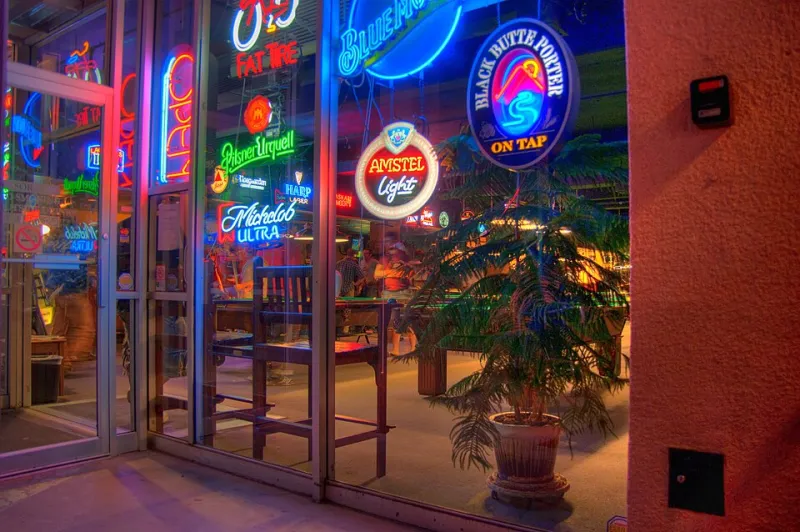
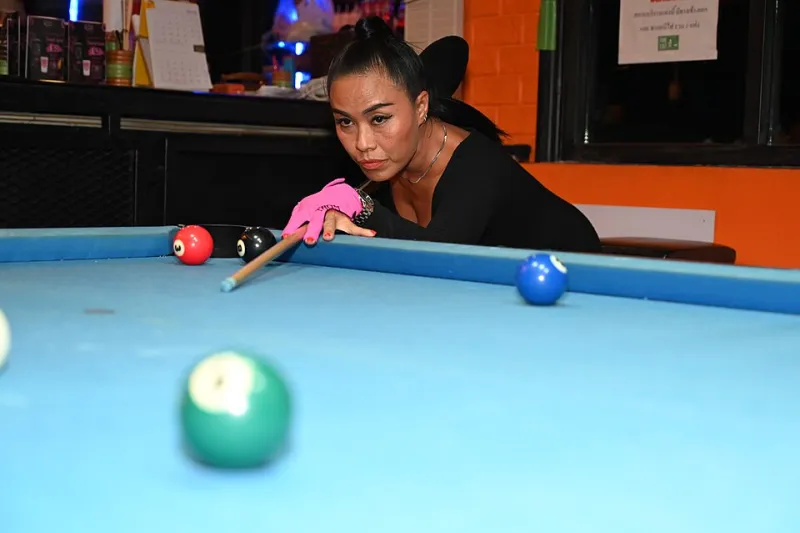
On a Tuesday night in Knoxville, Tennessee, Darlene Okafor is racking balls at the same bar she's played at for eleven years. The neon beer signs are the same. The felt is freshly brushed. But something is different: her phone is propped against the wall rail, streaming the match to a Discord server where players from Portland, Denver, and suburban New Jersey are watching live and typing reactions in real time.
"It started as a joke," she laughs. "Someone in our league said, 'we should just go online.' And then we actually did it."
What Darlene's league stumbled into wasn't unique. Across the country, local pool communities that once lived entirely within the four walls of their neighborhood bars and rec centers are discovering that the internet—and Discord in particular—has given them something they never expected: each other.
The Pandemic Pivot Nobody Planned
Before March 2020, most local pool leagues operated the same way they had for decades. Players showed up, paid their table fees, competed in person, and socialized over drinks. The community was real, but it was also physically bounded. Your league was your city, maybe your zip code.
Then bars closed. League nights evaporated. And players who'd built years of competitive rhythm suddenly had nothing but time and no place to burn it.
That's when a lot of organizers got creative—or desperate, depending on who you ask.
Jerome Whitfield had been running a casual 8-ball league out of a sports bar in Columbus, Ohio for six years when the shutdowns hit. "We lost everything overnight," he says. "But the players didn't stop wanting to compete. So we figured out how to move it online."
What started as weekly video call check-ins evolved into something more structured. Jerome's group launched a Discord server, set up channels for match scheduling, trash talk, tips, and highlight sharing. They started hosting virtual tournaments using pool simulation games to keep the competitive edge alive. By the time their bar reopened, they had players from four other states who'd joined the server and wanted to stay connected.
"We didn't plan to go national. It just happened because people found us."
Discord as the New League Hall
For pool communities specifically, Discord has turned out to be a surprisingly natural fit. The platform's structure—organized channels, voice rooms, role assignments—maps almost directly onto how leagues already function. You've got your competitive players, your casual ones, your organizers, your rules disputes, your highlight reels. Discord just gives all of that a digital home.
Several leagues have built elaborate server setups complete with bots that track match results, generate rankings, and post automated standings updates. Others use dedicated channels to stream live matches from their home tables or local venues, letting remote members watch and comment in real time.
Ashley Tran, who helps moderate a multi-state billiards Discord community called Rack Room Nation, says the community aspect is what keeps people engaged between competitive events. "It's not just about playing. People share their setups, argue about technique, post videos asking for feedback on their stroke. It's become a real community, not just a scheduling tool."
The community now has members across fifteen states, many of whom have never met in person but have built genuine friendships—and rivalries—entirely through the server.
Streaming the Local Game
Alongside Discord, streaming has given grassroots pool a visibility it never had before. Platforms like Twitch and YouTube have made it possible for anyone with a decent camera and a stable internet connection to broadcast their league night to a global audience.
Most local streams are small-scale—a few dozen consistent viewers, maybe a spike when something exciting happens. But for the communities built around them, the numbers aren't the point. The stream creates a shared experience that extends beyond whoever's in the room.
Darlene's Tuesday night matches now regularly draw forty to sixty viewers across her Discord community. "People who can't play anymore because of injuries, folks who moved away, players from other cities who just want to watch good pool—they're all there. It makes the night feel bigger."
Some leagues have gone further, developing full broadcast setups with overhead cameras, commentary tracks, and post-match analysis segments. It's amateur production, but it's earnest, and the audiences appreciate the authenticity.
Virtual Rankings and the Question of Legitimacy
One of the more interesting developments in hybrid pool communities is the rise of virtual ranking systems that span multiple physical locations. Players compete in their local venues, submit match results to a shared database, and earn rankings that reflect performance across the entire network—not just within their home league.
For competitive players, this is genuinely exciting. It means a strong player in Boise can measure themselves against strong players in Charlotte or Milwaukee without ever leaving their home market. It creates context and competition that local leagues alone couldn't provide.
But it's also raised questions about verification and integrity. How do you confirm that a submitted match result is accurate? How do you standardize table conditions across venues? Jerome Whitfield acknowledges the challenge. "It's honor system stuff, mostly. But that's kind of always been true in local pool. You build trust over time. The community polices itself."
For now, most hybrid leagues treat virtual rankings as a fun supplement to in-person competition rather than a replacement. The goal isn't to simulate professional play—it's to give more players a reason to stay engaged.
Saving the Culture or Changing It?
Not everyone in the local pool world is enthusiastic about the shift online. Some veteran players worry that the digital layer is diluting what made local leagues special in the first place: the in-person camaraderie, the dive bar atmosphere, the handshake after a match.
"There's something you can't replicate on a screen," says one longtime league player from Chicago who asked not to be named. "The feel of the room, reading your opponent, the whole social thing. When you stream it or put it on Discord, you're turning it into content. And that changes it."
It's a fair tension. The same tools that have helped communities survive and expand can also shift the culture in ways that aren't always comfortable for people who loved what it was.
But for players like Darlene and Jerome, the answer isn't either/or. The bar is still the bar. The felt is still the felt. Tuesday nights still happen. They've just added something to it—a wider circle, a bigger audience, a community that extends beyond the parking lot.
"Pool was always about showing up and connecting with people," Darlene says. "We just figured out how to do that with more people. That feels right to me."
And somewhere in a Discord server right now, forty people across the country are watching someone line up a shot in a Tennessee bar, typing reactions, and feeling like they're in the room.