More Than Just Tables and Chalk: The Hidden Economy Keeping Your Local Pool Hall Alive
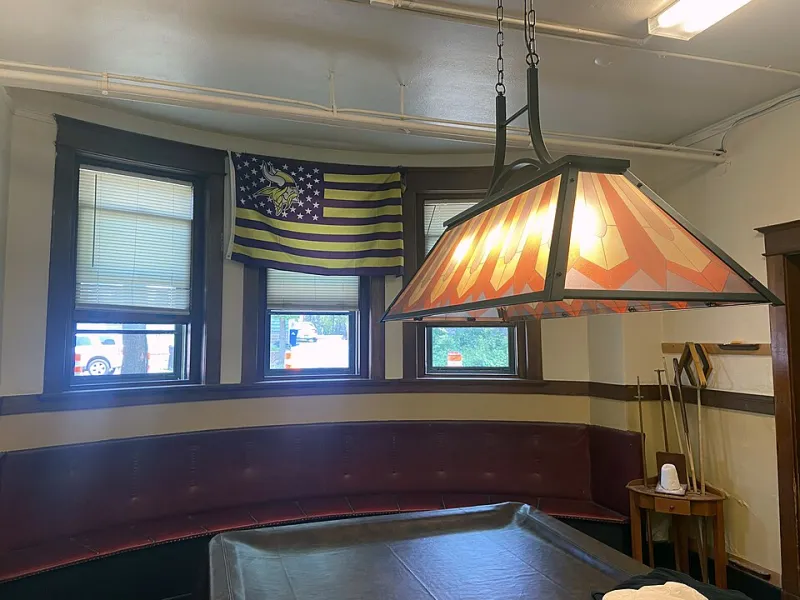
Photo: Myotus, CC BY-SA 4.0, via Wikimedia Commons
Walk into your favorite pool hall on a Tuesday night and it might look like nothing much is happening. A couple of regulars nursing drinks, the soft crack of balls breaking somewhere in the back, maybe a playlist cycling through something that sounds like it was curated in 2009. Easy to write off as a slow night at a dying business.
But look closer. That bartender just upsold a flight of local IPAs to a group of first-timers who came in on a Groupon. The guy in the corner is paying a monthly membership that covers unlimited table time. And the woman running the front desk is also the owner, the booking manager, and the person who organized last weekend's tournament that brought in 60 paid entries.
Pool halls, it turns out, are quietly running some of the most creative small-business models in American entertainment. And the fact that so many of them are still standing—after a pandemic, after the streaming era reshaped how people spend their free time, after the death of the American third place as we knew it—says a lot about the people behind the counter.
The Table Rental Model Is Just the Starting Point
Ask most people how a pool hall makes money and they'll say: you pay for the table, right? And yes, hourly table rentals are still the backbone of the business. Rates typically run anywhere from $10 to $20 per hour depending on the market, with higher-end venues in cities like Chicago, Austin, or Seattle pushing closer to $25 for premium tables.
But veteran operators will tell you flat out: table rental alone doesn't cut it anymore.
"If I was running this place purely on table fees, I'd have closed three years ago," says Marcus, who owns a mid-sized billiards lounge in suburban Ohio. "The food and bar program is what actually pays the bills. Tables bring people in. Drinks and food keep them here longer and spending more."
This shift toward food and beverage as a primary revenue driver has quietly transformed what a pool hall looks and feels like. Gone are the days when a bag of stale pretzels behind the counter counted as a menu. Many venues now operate with full kitchens, curated cocktail lists, and happy hour specials designed specifically to pull in the after-work crowd that might not even touch a cue.
Memberships, Leagues, and the Loyalty Play
Another revenue stream that's grown significantly in recent years is the membership model. Some halls offer tiered monthly plans—think $30 for a set number of table hours, or $75 for unlimited open play plus discounts on events. It's a model borrowed from gyms, and it works for similar reasons: people who pay a monthly fee show up more consistently, spend more at the bar, and become the kind of regulars who recruit their friends.
League play is another anchor. Weekly leagues—whether it's APA, BCA, or a house-run format—create guaranteed foot traffic on otherwise slow weeknights. Teams pay entry fees, players buy drinks, and the social energy that builds around a consistent weekly competition turns casual visitors into committed community members.
"My Thursday night league is basically my rent payment," says Denise, who operates a pool room in the Atlanta metro area. "Thirty-two teams, every week, basically year-round. Those players are loyal. They tell their coworkers, they bring their partners. It snowballs."
COVID Didn't Kill Them — It Clarified Them
The pandemic was brutal for pool halls. Close-contact indoor entertainment was basically the definition of what needed to shut down, and many venues that were already running on thin margins didn't survive. The American billiards landscape lost a noticeable number of rooms between 2020 and 2022.
But the ones that made it through often came out the other side with a sharper sense of what they actually were. Several owners describe the forced closure period as a moment of strategic clarity.
"We used the downtime to redo our whole membership structure and launch a proper loyalty program," says Marcus. "When we reopened, we had something to offer people beyond just 'come play pool.' We had a reason for them to be members. That shift changed everything."
Others leaned into private events—birthday parties, corporate outings, bachelor and bachelorette nights—as a way to generate revenue that didn't depend on walk-in traffic. A private table reservation for a group of eight, with a food and drink package, can generate more in a single evening than a week of casual hourly rentals.
The Community Factor That No Spreadsheet Can Capture
Here's the thing that every pool hall owner eventually brings up when you ask what keeps their business alive: community. And it's not just a feel-good answer. It's a genuine competitive moat.
Pool halls attract a remarkably diverse cross-section of Americans. Retirees who've been playing since the 1970s. College students discovering the game for the first time. Competitive players grinding toward regional tournaments. Couples on a date who wanted something more interactive than a movie. Veterans' groups. Neighborhood regulars who treat the place like a second living room.
That mix creates something that's genuinely hard to replicate. You can't get it from a mobile game or a streaming subscription. It's tactile, it's social, and it's rooted in a specific place with specific people.
"I've had customers who met here, got married, and now bring their kids in on weekends," says Denise. "That's not something you can manufacture. It just happens when you create the right environment and stick around long enough."
At 7Ball Corner, we talk a lot about what makes billiards more than just a game—and the pool hall itself might be the best answer to that question. It's the corner pocket of the community, the place where competition and connection happen at the same table.
What It Takes to Keep the Lights On
Running a pool hall in 2025 requires a skill set that goes way beyond knowing how to rack a set of balls. Today's operators are part event coordinator, part restaurateur, part community manager, and part social media strategist. The venues that are thriving are the ones where the owner understood early that they weren't just selling table time—they were selling an experience and a sense of belonging.
For players, that's actually great news. It means the pool hall down the street has every incentive to get better, to offer more, and to keep you coming back. The economics are aligned with your enjoyment.
So next time you're racking up for a casual session on a Wednesday evening, maybe tip a little heavier, sign up for that membership you've been on the fence about, or just tell a friend to come check the place out. The spot you love exists because enough people like you decided it was worth keeping around.
And honestly? That's a pretty good reason to keep playing.