Pool Is Better With a Crew: How to Build One That Actually Sticks
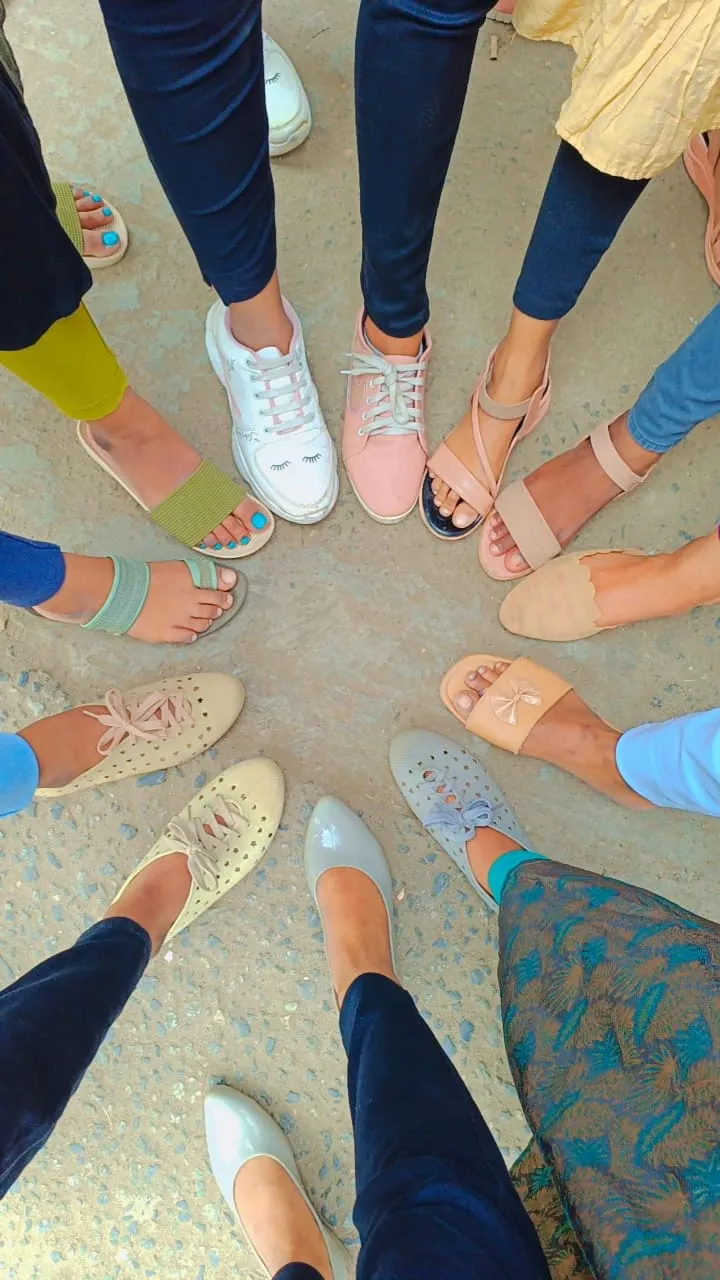
Photo: Monikaa Baskar, CC0, via Wikimedia Commons
There's a version of pool that's just you, a cold drink, and an open table on a slow Tuesday night. That version is fine. It's peaceful, honestly. But it's not the version that gets you hooked. The version that gets you hooked involves a crew — a group of regulars who show up, talk trash in the best way possible, push each other to get better, and make even a mediocre session feel like an event.
Building that crew from scratch is harder than it sounds. Ask anyone who's tried. You start with good intentions, pull in a few people, and then somewhere around week three, someone flakes, someone else gets weirdly competitive, and suddenly your fun Tuesday night has a whole interpersonal drama attached to it. Sound familiar? It should — it's basically the origin story of every pool Discord server that's ever gone quiet.
Here's how to do it right from the jump.
Start With the Right People, Not the Most People
The first instinct is to cast a wide net. Tell everyone you know, post in a few group chats, see who bites. The problem with that approach is that you end up with a big, messy group of people with wildly different schedules, skill levels, and levels of actual commitment. That's not a crew — that's a headache.
Start small. Three or four people who are genuinely interested and can actually show up consistently is worth ten people who are loosely interested. Regularity matters more than numbers at the beginning. You're trying to build a habit and a culture, and that's much easier with a tight group.
Look for people who already play casually — coworkers who mentioned they used to shoot, neighbors who have a table in their garage, people you've seen at your local hall a few times. Reddit communities like r/billiards and r/pool are genuinely solid places to find players in your area, and Discord servers built around pool and billiards often have regional channels where people organize exactly this kind of thing. Don't sleep on those resources.
Establish House Rules Before Anyone Gets Competitive
This is the step most groups skip, and it's the one that causes the most problems down the road. Before your crew has played more than a handful of sessions together, get everyone on the same page about how you play.
Are you playing bar table rules or APA-style rules? What happens on a scratch on the break? Is ball-in-hand from anywhere, or just behind the headstring? These seem like small details until someone loses a game they thought they won and suddenly there's an argument nobody wanted to have.
Write it down if you have to. A quick shared Google Doc or a pinned message in your group chat with the agreed-upon rules does more for group cohesion than almost anything else. It removes the ambiguity that causes friction, and it makes it easy to onboard new players without relitigating the same debates every time.
The crews that last are the ones that treat house rules like a foundation, not an afterthought.
Handle the Skill Gap Without Making It Weird
Here's an uncomfortable truth: if your crew has people at very different skill levels, the less experienced players will stop showing up if they feel like they're just there to lose. That's not about ego — it's just human nature. Nobody wants to feel like the weak link every single week.
The fix is building in formats that level the playing field without being condescending about it. Handicap systems work well for this. The APA handicap system is specifically designed for mixed-skill groups and is worth looking up. Doubles formats also help — pairing a stronger player with a newer one keeps things competitive and turns the skill gap into a teaching opportunity rather than a frustration.
Some of the best pool crews on record, according to players in online communities who've been running groups for years, actively celebrate improvement over results. They track progress, cheer for personal bests, and make skill development part of the shared identity of the group. That culture keeps newer players engaged and gives experienced players a reason to stay invested beyond just winning.
Managing Personality Conflicts Before They Go Nuclear
Every crew hits a moment where two people don't get along, someone feels like they're not being taken seriously, or one player's attitude is killing the vibe. How you handle that moment determines whether your crew makes it past the six-month mark.
The most common failure mode, according to threads in pool communities online, is the group that avoids the conflict until it's too late. One person stops showing up. Then another. Then the whole thing quietly dissolves and everyone pretends it just "fizzled out" naturally.
Don't let it get there. If someone's being consistently negative, call it out privately and directly. If two players have beef, don't let it fester — address it early, keep it low-key, and make it clear that the crew's vibe is the priority. Most people respond well to a direct, friendly conversation. Most conflicts aren't as big as they feel in the moment.
Also — and this gets overlooked — make sure everyone feels like they have a role. The person who always sets up the table, the one who handles the group chat, the one who scouts new venues. People stay committed to things they feel ownership over.
Keep the Energy Up Long-Term
Once you've got a stable crew, the challenge shifts from building to maintaining. Routines are your best friend here. Same night every week, same general format, same spot unless there's a reason to change it. Predictability isn't boring — it's the thing that makes showing up feel like a no-brainer.
Mix things up occasionally to keep it fresh. Organize a mini-tournament. Challenge another local crew to a friendly match. Do a themed game night. Some of the tightest pool groups in the country started as two or three friends shooting on a Wednesday night and grew into something that books out a section of a bar every week because they kept it consistent and kept it fun.
Your crew doesn't have to be a league team or a competitive unit to be worth building. It just has to be the place where pool feels like more than a solo hobby — and that's worth more than any trophy.